Red light therapy continues to gain attention through the years due to its potential therapeutic benefits for various health conditions, including epilepsy. Certain studies have shed light on the positive effects of red light therapy in reducing seizures and providing neuroprotection. Using red light therapy for epilepsy can mitigate symptoms and provide many profound benefits.
1. Seizure Reduction:
One of the primary benefits of red light therapy for epilepsy is the reduction in seizures achieved through red light therapy. Red light therapy involves exposure to low-level red or near-infrared light, which can significantly decrease the frequency and severity of seizures in individuals with epilepsy. This reduction in seizure activity can improve patients’ quality of life, allowing them to better manage their condition.
2. Neuroprotection:
Red light therapy also offers neuroprotective effects as it preserves the integrity and function of neurons, protecting them from damage caused by recurrent seizures. Neuroprotection is crucial for preventing long-term cognitive impairments and other neurological complications associated with epilepsy. By supporting neuronal health, red light therapy contributes to maintaining optimal brain function.
3. Anti-Inflammatory Effects:
Chronic inflammation is often associated with neurological disorders, including epilepsy. Red light therapy’s anti-inflammatory effects can modulate the brain’s inflammatory response, helping create a more favorable environment within the brain. This favorable brain environment can potentially reduce the likelihood of seizures and promote overall neurological well-being.
4. Improved Mitochondrial Function:
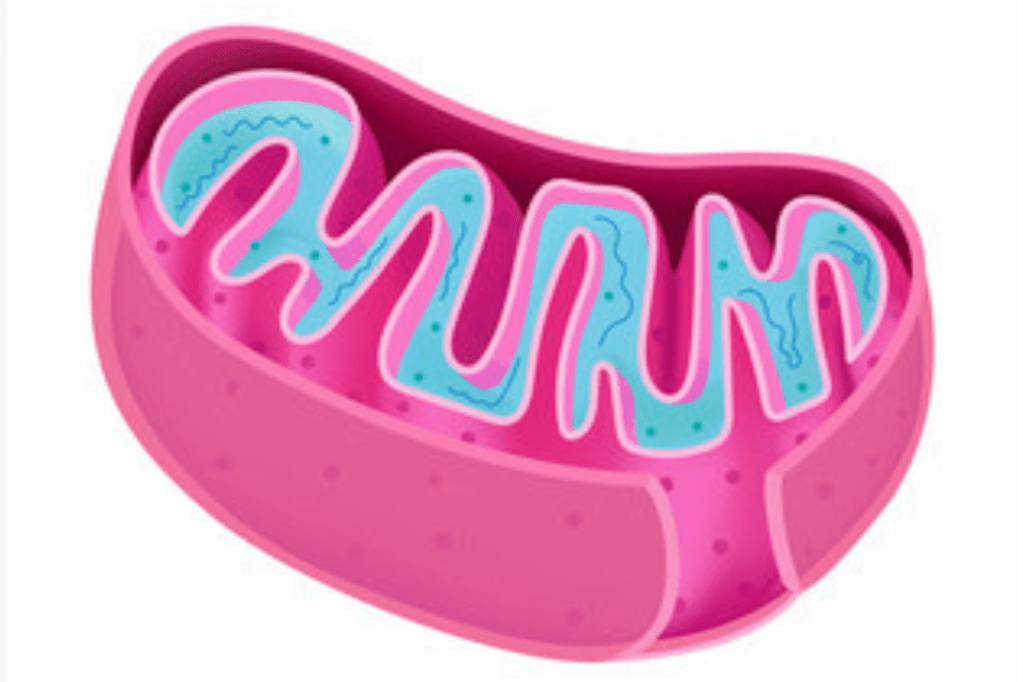
Red light therapy can enhance mitochondrial health. Mitochondria are the energy producers in cells, including neurons. This improved health and energy production can aid brain cell cellular repair and maintenance. Therefore, using red light therapy for epilepsy contributes to essential neurons’ overall health and resilience, making them more resistant to damage and degeneration.
5. Non-Invasive and Low-Risk Treatment:
Red light therapy is non-invasive, painless, and generally well-tolerated by patients. Unlike some other treatments for epilepsy, red light therapy does not involve the use of drugs or surgical interventions, minimizing the risk of adverse reactions or complications. Its low-risk nature makes it a viable option for individuals seeking alternative or complementary therapies for managing epilepsy.
Using red light therapy for epilepsy leads to multiple benefits, such as reducing seizures and offering neuroprotection for individuals with epilepsy. By harnessing the power of red and near-infrared light, your clinic can use this non-invasive and low-risk therapy option to improve the lives of those affected by epilepsy. Offer hope for better seizure management and enhanced neurological health with full-body red light therapy and its many benefits.
Torres, N., Chabardès, S., & Mitrofanis, J. (2023). Lights for epilepsy: can photobiomodulation reduce seizures and offer neuroprotection? Neural Regeneration Research, 18(7), 1423. https://doi.org/10.4103/1673-5374.360288
Enter Your Information Here to Apply to Be a Prism Light Pad Professional Partner